
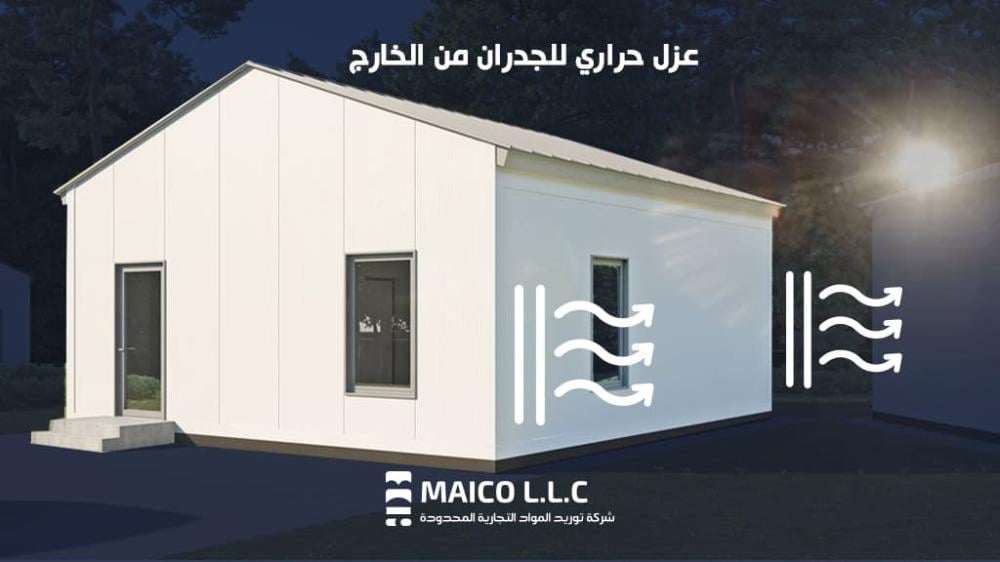
Exterior wall thermal insulation is the ideal solution for maintaining indoor comfort and reducing energy consumption—especially in regions that experience harsh and fluctuating climates. This system works by wrapping the external walls with insulating materials that prevent heat transfer into and out of the building, helping to stabilize indoor temperatures throughout the year.
Whether you are constructing a new home or renovating an existing building, external thermal insulation significantly improves energy efficiency, extends the lifespan of walls, and protects them from moisture and cracks.
If you are looking for the best exterior wall thermal insulation materials in terms of efficiency and durability, or want to understand the cost of external insulation systems, this guide will provide everything you need to make an informed decision. We’ll walk you through the types of external wall insulation, the advantages of each material, and the best installation methods to ensure long-term protection against climate changes.
Contact us today to discover the best sandwich panel warehouse solutions!
What Is Exterior Wall Thermal Insulation?
Exterior wall thermal insulation is a technical method designed to protect buildings from heat transfer by installing insulating layers on the outer side of walls. This approach significantly improves building energy efficiency and reduces cooling and heating costs in both hot and cold climates.
External wall insulation is considered one of the most sustainable solutions for enhancing indoor comfort all year round.
With extensive experience and high execution standards, MAICO stands out as a leading provider of exterior wall thermal insulation using advanced materials and modern techniques. Choosing MAICO means investing in long-lasting thermal performance and reliable insulation quality.
Why Is Exterior Insulation Ideal for Hot and Cold Regions?
In hot climates, exterior insulation reduces solar heat absorption by the building’s walls, maintaining cooler indoor temperatures and minimizing air-conditioning usage.
In colder regions, it prevents indoor heat from escaping, ensuring longer-lasting warmth and reduced heating costs.
That’s why exterior wall thermal insulation is the most effective solution for stable indoor comfort and substantial energy savings.
Key Benefits of Exterior Wall Thermal Insulation
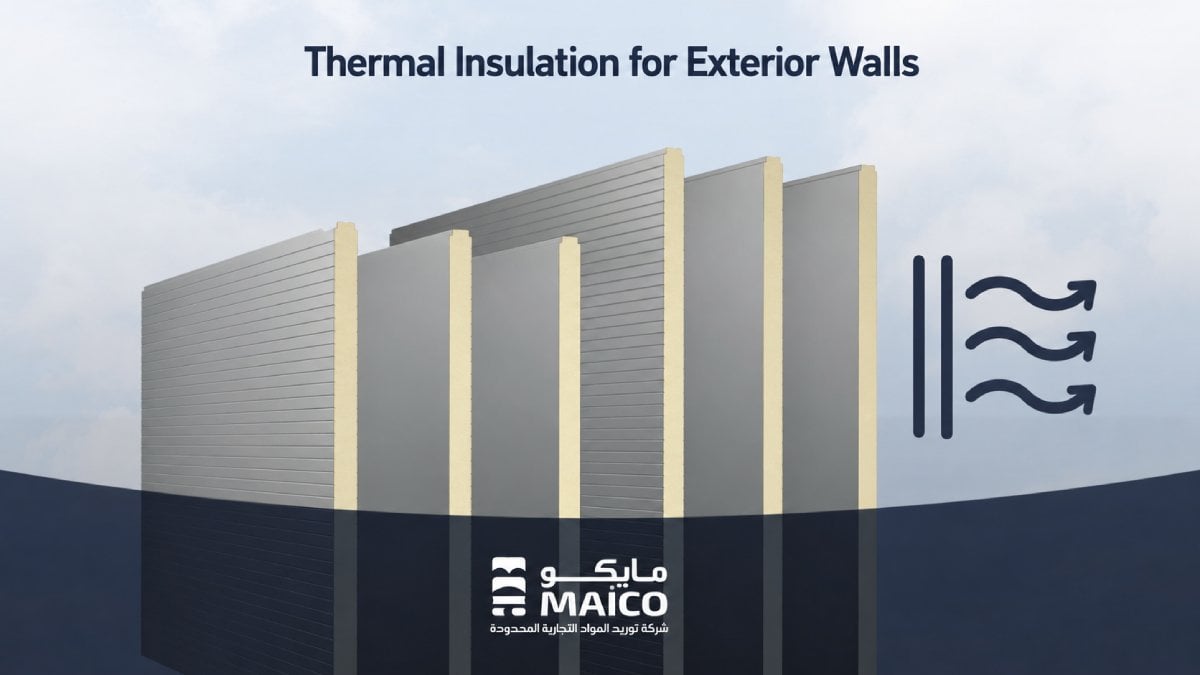
Reduced Energy Consumption and Costs
External insulation minimizes heat loss and gain, lowering dependency on HVAC systems and significantly reducing electricity bills. It is a smart long-term investment for both residential and commercial properties.
Stable Indoor Temperatures
By minimizing the impact of external weather conditions, exterior insulation keeps indoor temperatures consistent throughout the year.
Protection Against Moisture and Condensation
High-quality insulation materials and thermal-resistant exterior coatings prevent condensation, water infiltration, and humidity-related damage.
Extended Wall Lifespan
External insulation protects building structures from cracking, erosion, and environmental wear, reducing maintenance needs and increasing durability.
Improved Acoustic Comfort
In addition to thermal performance, exterior insulation enhances soundproofing—especially valuable in urban environments.
Exterior vs. Interior Wall Insulation
The main difference lies in application location. Exterior insulation shields the building envelope entirely before heat reaches the wall structure, offering superior protection.
Interior insulation, while helpful, does not protect the building structure itself from moisture or weather-related deterioration. Therefore, exterior insulation is the more efficient and durable choice, particularly in hot climates.
When Should You Use Exterior Wall Insulation?
Exterior thermal insulation is recommended when:
- Constructing new buildings
- Renovating older structures with heat or moisture issues
- Improving building aesthetics alongside energy efficiency
- Building in extreme weather conditions
MAICO provides complete exterior insulation services, offering expert assessment and tailored solutions for each project.
Why Exterior Wall Insulation Is the Best Choice
Exterior insulation prevents thermal bridging, reduces energy loss, and protects the building shell. When combined with weather-resistant thermal coatings, it delivers unmatched performance and longevity.
With MAICO, you benefit from:
- Premium-quality materials
- Optimized insulation costs
- Reliable warranties and on-time execution
Methods of Exterior Wall Thermal Insulation
Common and effective methods include:
- Sandwich Panel Wall Systems (dual thermal and moisture insulation)
- Thermal Insulating Paints (heat-reflective coatings)
- Foam and Polystyrene Boards (lightweight and efficient)
- Rock Wool Insulation (ideal for high-temperature regions)
MAICO offers integrated solutions using the best insulation materials for long-term efficiency.
Installation Steps for Exterior Wall Insulation
- Surface preparation and crack repair
- Installation of insulation panels or boards
- Application of protective exterior finishes
MAICO provides full engineering consultation and professional execution using proven insulation systems.
Cost of Exterior Wall Thermal Insulation
Costs vary based on insulation material, building size, and installation method. While prices differ, exterior wall insulation remains a cost-effective long-term investment due to reduced energy usage and extended building lifespan.
Best Exterior Wall Insulation Company in Saudi Arabia
Among many providers, MAICO stands out for combining quality, commitment, and modern insulation technologies. The company offers transparent pricing, expert consultation, and durable insulation systems tailored to Saudi Arabia’s climate.
Customer Experience with MAICO Sandwich Panels
After facing extreme indoor heat, choosing MAICO’s sandwich panels for exterior wall insulation made a noticeable difference. Indoor temperatures stabilized, electricity consumption dropped, and the overall comfort improved significantly—all thanks to a professionally executed insulation solution.
Tips Before Choosing Exterior Wall Insulation
- Define your main goal (energy savings, moisture protection, soundproofing)
- Compare insulation materials carefully
- Prioritize quality over low cost
- Choose materials suitable for your local climate
- Work with certified, experienced insulation companies
Frequently Asked Questions
When should exterior wall insulation be considered?
During new construction, renovations, or when facing high energy bills and thermal discomfort.
Is exterior insulation suitable for all buildings?
Yes, it is effective for villas, apartments, and commercial buildings alike.
What is the best exterior wall insulation method?
A complete system combining high-performance insulation materials with weather-resistant external finishes, installed by professionals.